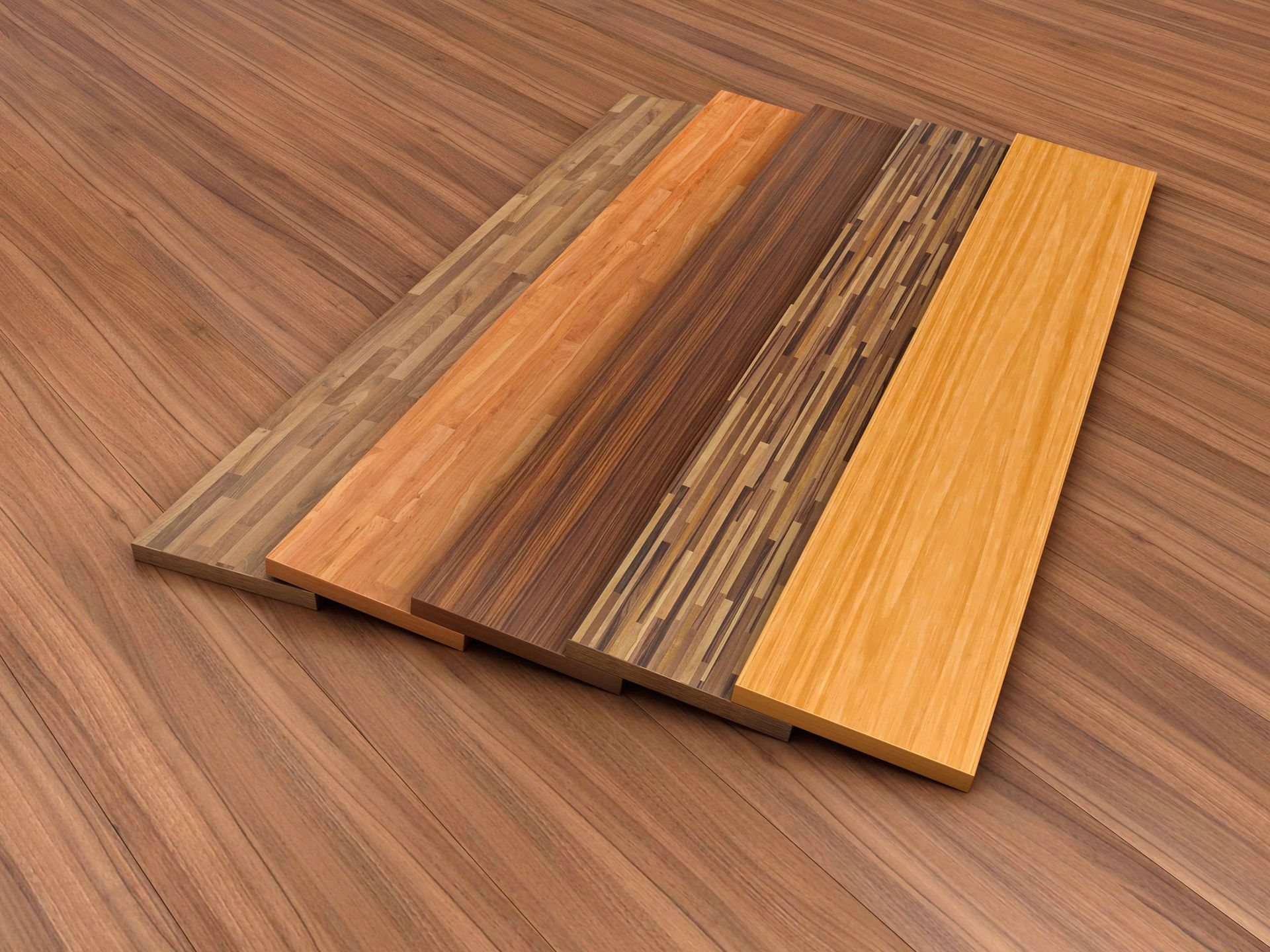
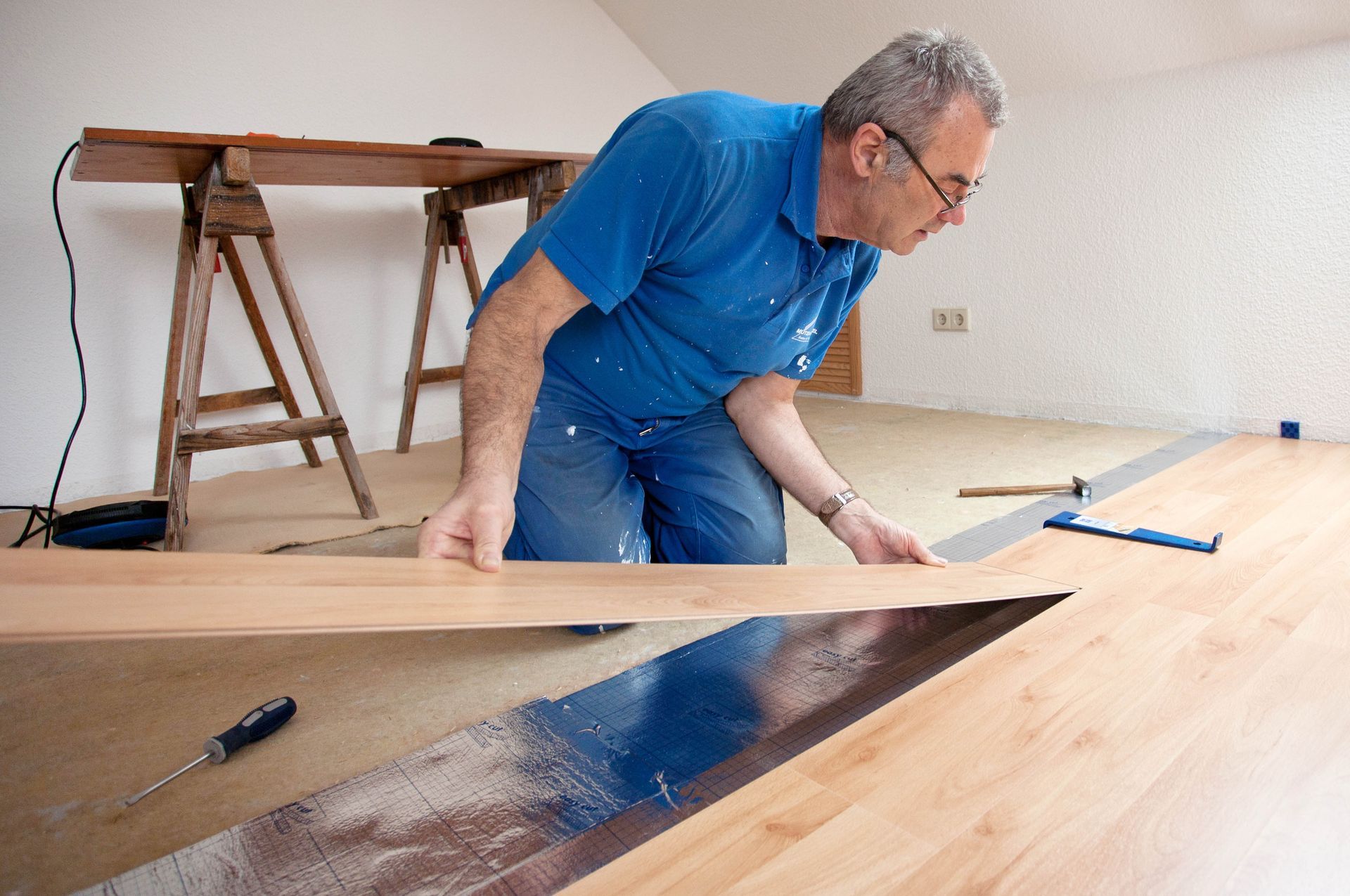
Hardwood floors add warmth, character, and value to a home, but keeping them in excellent condition requires proper installation and consistent care. Daily foot traffic, spills, scratches, and changing humidity levels can gradually wear down even the most durable wood flooring. Fortunately, professional maintenance and timely repairs can help homeowners protect their investment and enjoy beautiful floors for decades.
A professional hardwood flooring service provides the expertise needed to identify potential problems, recommend appropriate treatments, and preserve the wood's natural appearance. From installing new planks to refinishing worn surfaces, experienced flooring specialists can address issues before they become expensive repairs. Understanding the available services and their benefits helps homeowners make informed decisions about maintaining their floors and extending their useful life.
What Are the Key Benefits of Hiring a Hardwood Flooring Service?
One of the main benefits of hiring professionals is access to specialized knowledge. Different wood species, finishes, and installation methods require different approaches to cleaning, maintenance, and repair. A qualified technician can evaluate the flooring's condition and recommend solutions that protect the material without causing unnecessary damage.
Professional assistance also saves time and helps homeowners avoid common maintenance mistakes. Using excessive water, harsh cleaning products, or unsuitable polishing compounds can damage wood finishes and contribute to long-term deterioration. Flooring specialists understand which products and techniques are appropriate for specific surfaces.
Another advantage is early problem detection. Professionals can identify loose boards, gaps, finish deterioration, and moisture-related damage before these issues spread. A hardwood flooring service can also recommend preventive measures tailored to the home's environment and daily use. These recommendations help homeowners maintain their floors while reducing the likelihood of premature replacement.
How Does Professional Installation Affect Floor Longevity?
Proper installation establishes the foundation for a hardwood floor's long-term performance. Even high-quality wood can develop problems when installers fail to prepare the subfloor, account for moisture, or follow the manufacturer's installation requirements.
Before installation begins, professionals assess the subfloor for uneven areas, structural concerns, and moisture conditions. Correcting these problems helps reduce the risk of squeaking, movement, separation, and other defects. Installers also determine whether solid or engineered hardwood is appropriate for the room, considering factors such as the subfloor, moisture exposure, and installation location.
Acclimation is another important consideration. Depending on the product and manufacturer's instructions, wood may need time to adjust to the indoor environment before installation. Wood naturally expands and contracts as humidity changes, so allowing for appropriate conditions and expansion gaps helps prevent buckling and excessive gaps between boards.
A professional
hardwood flooring service can also ensure that boards are installed securely and that transitions, edges, and doorways receive proper attention. These details improve stability and create a more consistent finished surface.
What Maintenance Techniques Are Used by Hardwood Flooring Services?
Regular maintenance helps protect the finish, prevent surface damage, and keep hardwood flooring looking its best. Professional technicians typically begin by inspecting the floor for scratches, dull areas, loose boards, and signs of moisture exposure. This assessment helps determine which treatments are necessary and which areas require closer attention.
Deep cleaning is one option for removing accumulated dirt and residue that ordinary sweeping may leave behind. Professionals use products suited to the flooring's finish rather than relying on abrasive cleaners or excessive moisture. Homeowners can support these efforts by sweeping or vacuuming regularly with a hardwood-safe attachment and promptly wiping up spills.
Depending on the floor's condition, maintenance may also include buffing or applying a compatible maintenance coating. These treatments can improve the appearance of minor surface wear without requiring a complete refinishing project. However, coatings must be compatible with the existing finish, and some floors require additional preparation before treatment.
Refinishing is another important maintenance technique. When the finish becomes heavily worn or scratches penetrate the protective layer, professionals may sand the surface and apply a new finish. Solid hardwood can generally be refinished multiple times, while engineered hardwood's refinishing potential depends on the thickness of its real-wood wear layer and the manufacturer's specifications.
Can Regular Servicing Prevent Major Repairs?
Regular servicing can identify developing problems before they require extensive repairs. Small gaps, isolated scratches, loose boards, and minor finish damage may be manageable when addressed promptly. Left unattended, however, some problems can worsen as foot traffic, moisture, and everyday use continue to affect the flooring.
Moisture deserves particular attention because wood responds to changes in its environment. Leaking appliances, plumbing problems, wet footwear, and excessive indoor humidity can contribute to swelling, cupping, staining, or mold growth beneath affected flooring. Professionals can investigate visible warning signs and recommend appropriate corrective measures, although the underlying moisture source must also be resolved.
Routine inspections may also reveal damaged boards that can be replaced individually instead of removing an entire floor. Repairing localized damage early can reduce material waste and help preserve the surrounding installation. When damage affects a larger area, specialists can determine whether targeted repairs, refinishing, or replacement offers the most practical solution.
How Do Hardwood Flooring Services Enhance Floor Appearance?
Professional flooring care can restore much of the character that makes hardwood attractive. Over time, everyday activity can leave floors looking dull, scratched, or uneven in color. Appropriate cleaning, repairs, and refinishing help address these issues while preserving the wood's natural grain.
Refinishing can be particularly effective when the existing finish has deteriorated. Removing the worn surface and applying a suitable new finish can improve visual consistency and provide renewed protection against ordinary wear. Homeowners can also explore different sheen levels and stain colors when refinishing is appropriate, allowing them to refresh the room without replacing the entire floor.
These improvements reflect a broader interest in decorative interior materials. According to The Freedonia Group, China and India are the two most significant markets for decorative tile and are expected to account for a combined 47% of total global growth. Although this finding concerns tile rather than hardwood, it illustrates the importance of decorative surfaces in interior design and the broader market for materials that combine visual appeal with practical performance.
What Are the Costs Involved in Hardwood Flooring Services?
The cost of professional flooring work depends on the service required, the size of the affected area, and the floor's overall condition. Basic maintenance and localized repairs generally require less work than sanding and refinishing an entire room. Installation costs vary according to the wood species, product type, subfloor preparation, and project complexity.
Additional expenses may arise when contractors discover moisture damage, uneven subfloors, or boards that need replacement. Requesting a detailed estimate helps homeowners understand the proposed work, material costs, and any necessary preparation before committing.
Which Hardwood Flooring Service Is Right for Your Needs?
Choosing the appropriate service begins with identifying the problem. Floors with accumulated dirt but minimal wear may need professional cleaning, while dull finishes and widespread surface scratches may indicate that buffing or refinishing is more appropriate. Loose, cracked, or water-damaged boards may require targeted repairs or replacement.
Homeowners should look for experienced professionals who can explain their recommendations, provide written estimates, and demonstrate familiarity with the specific flooring material. Asking about previous projects, insurance, warranties, and maintenance recommendations can also help establish confidence in a contractor's qualifications.
Hardwood floors can remain attractive and functional for decades when they receive appropriate care. Professional installation, routine maintenance, timely repairs, and periodic refinishing all contribute to their longevity. By recognizing early warning signs and addressing problems promptly, homeowners can minimize unnecessary expenses and preserve the beauty of their flooring. If you need hardwood flooring, contact Legacy Flooring today!